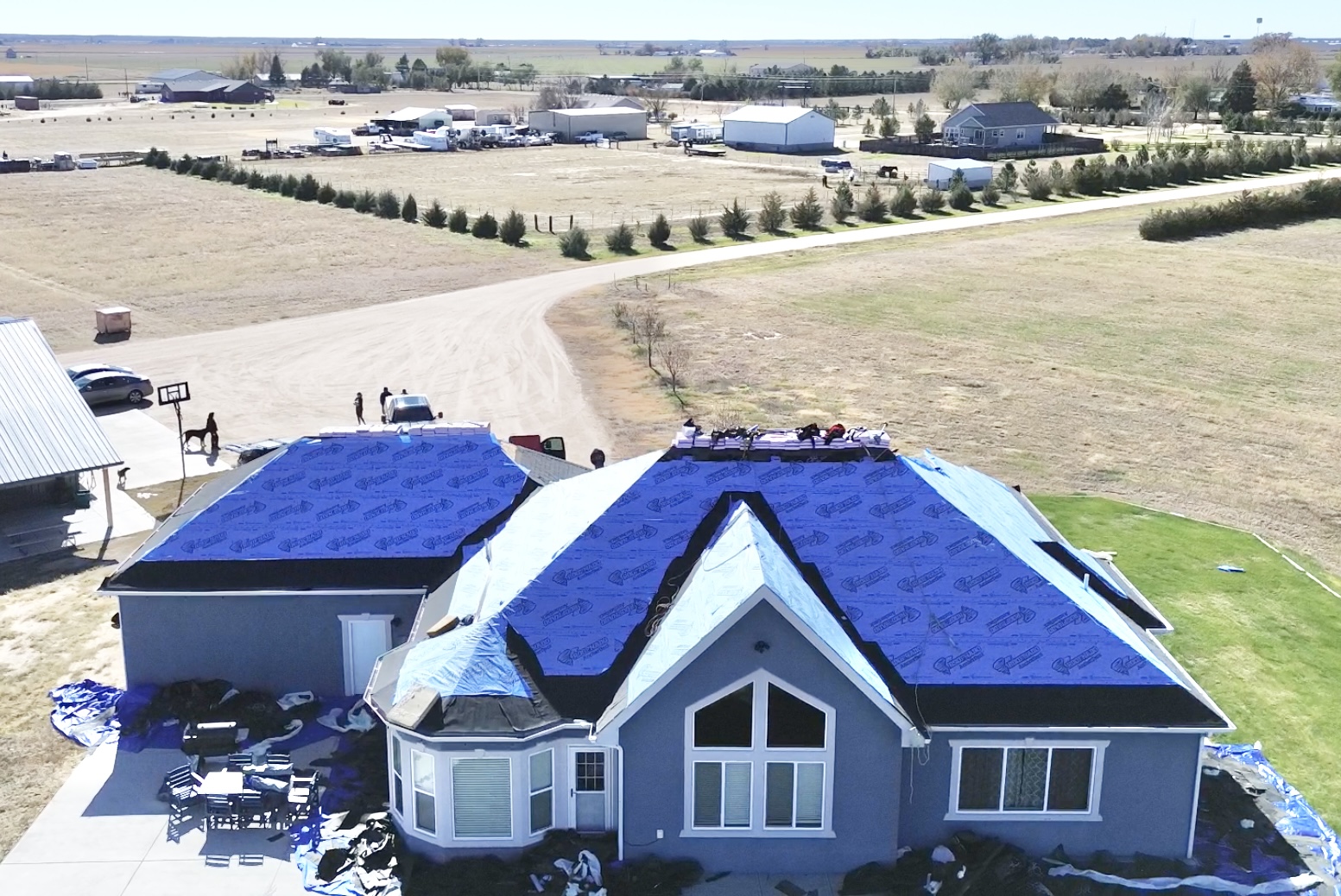
The Ultimate Guide to Choosing the Right Roofing Material for Your Home May 08, 2026
First, it’s essential to determine your priorities. Are you looking for longevity, energy efficiency, eco-friendliness, or perhaps aesthetic appeal? Each type of roofing material comes with its own set of advantages and potential drawbacks. Understanding these can help narrow down your choices.
Asphalt shingles are among the most popular roofing materials, known for their affordability and ease of installation. These shingles provide great protection against weather elements and come in a variety of colors, making them a versatile choice. However, they may not be as durable as some other options, often lasting 20 to 30 years depending on the quality.
Metal roofing is another excellent option, offering durability and energy efficiency. It can reflect solar radiant heat, reducing cooling costs in hot climates. Metal roofs can last 40 to 70 years, depending on the material, but they may be noisier during rainstorms if not properly insulated.
For those desiring a more natural look, wood shingles and shakes offer aesthetics that many homeowners find appealing. They provide good insulation and can last up to 30 years if well-maintained. However, they require regular maintenance and are less fire-resistant unless specially treated.
Tile roofing, often associated with Mediterranean or Spanish style homes, offers a long-lasting solution. Whether made from clay or concrete, tiles are resistant to damage and can last over 50 years. They are also fire-resistant and environmentally friendly. On the downside, their weight means your roofing structure needs adequate support, potentially increasing installation costs.
Slate is another durable material, famous for its beauty and rustic appearance. This high-end material can last over 100 years and is highly resistant to fire. However, like tile, it's very heavy and expensive, both in terms of materials and installation.
In recent years, eco-friendly roofing options such as green roofs and solar tiles have gained popularity. Green roofs, covered with vegetation, provide excellent insulation and help manage stormwater. Meanwhile, solar tiles integrate seamlessly with existing roof structures, offering an avenue for harvesting solar energy. These options can significantly reduce energy costs but often come at a higher initial investment.
When selecting a roofing material, local climate and building codes also play a crucial role. For instance, materials that work well in wet climates may not fare as well in areas prone to wildfires. At Living Stone Roofing, we ensure that all our roofing solutions comply with local regulations and withstand local weather conditions.
Finally, consider consulting with a professional to determine the most suitable material for your home. A roofing expert can provide insights specific to your home's architecture, your neighborhood, and even resale value implications.
In conclusion, choosing the right roofing material involves balancing factors such as cost, longevity, maintenance needs, and aesthetic preferences. At Living Stone Roofing, we’re committed to helping you make the best choice for your home. With the right guidance and support, your roofing investment can enhance your home’s beauty, efficiency, and value for years to come.
/filters:no_upscale()/filters:format(webp)/media/7c440b3f-acd3-4c5f-9c8d-dff70ef6645a.jpeg)
/filters:no_upscale()/filters:format(webp)/media/84212fa2-8563-4b3d-91dc-cd2ff98ed798.jpeg)